
My scholarship is situated at the intersection between the American South and its entanglements with racialized state violence—lynching, segregation, and the long afterlife of Jim Crow. Connecting academic inquiry and public trust, I confront difficult histories and complex legacies through ethical, evidence-based research. My work is dedicated to ensuring that preservation efforts, community narratives, and cultural heritage initiatives rest upon a secure foundation of historical accuracy and meaningful community collaboration.
My research explores shared heritage as a vehicle for reconciliation. Through community-led memorialization and digital storytelling, I center archives and the experiences of descendants to foster social justice and healing through the collective preservation of memory.
“Strata”
As a graduate student at Howard University, I completed a historiography exercise on the papers of Georgia Douglas Johnson at the Moorland-Spingarn Research Center. A poet, playwright, and central figure in a Harlem Renaissance salon culture, Johnson left behind not only literary manuscripts, but what archivists might politely call a “desk-drawer dump.” The box held layered remnants of a working life: correspondence, publisher rejection letters, past-due invoices, everyday debris, and drafts of her anti-lynching plays.
These plays were not abstract moral statements but acts of witness produced under constraint. At the time, nothing dramatic occurred. I took notes, described folders, wrote the paper, and filed the experience among graduate school tasks completed.
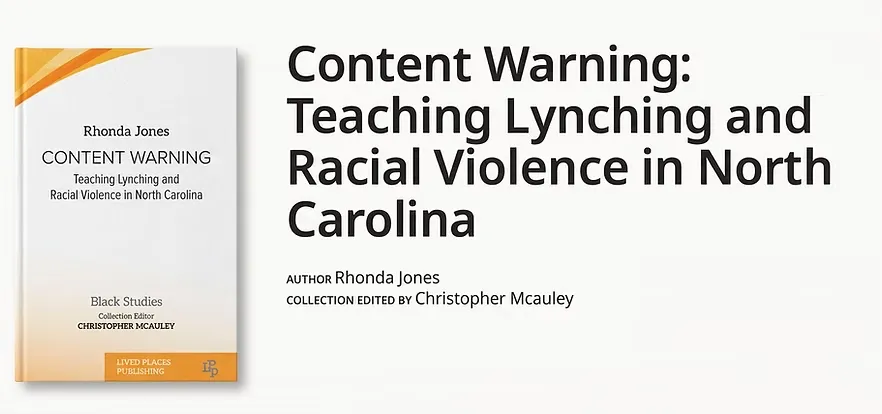
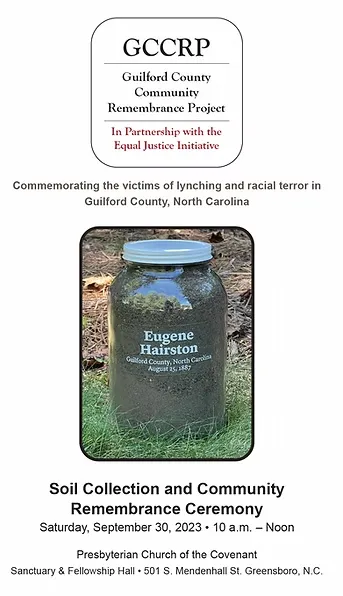
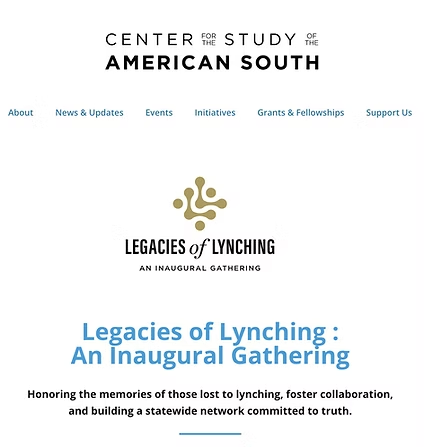
Years later, as lead archivist for the Civil Rights Restorative Justice Project, my work centered on arranging and describing records of lynching and racial violence. What changed was my understanding of what archives preserve.
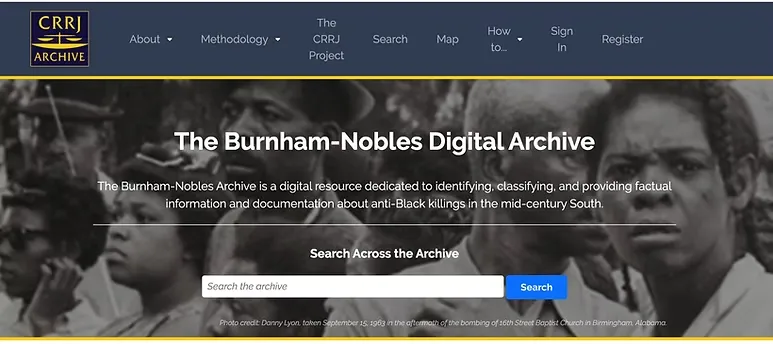
Not only events or achievements, but conditions, the material realities that shape testimony. The challenge was as much descriptive as emotional: how to represent records whose power lies in proximity to trauma without flattening them into neutral headings. The accumulated materials tethered atrocity to ordinary life. Such history remembered the circumstances that made witnessing possible.
I partner with local communities to document and preserve their unique histories through oral history, digital storytelling, and trauma-informed archival practices.
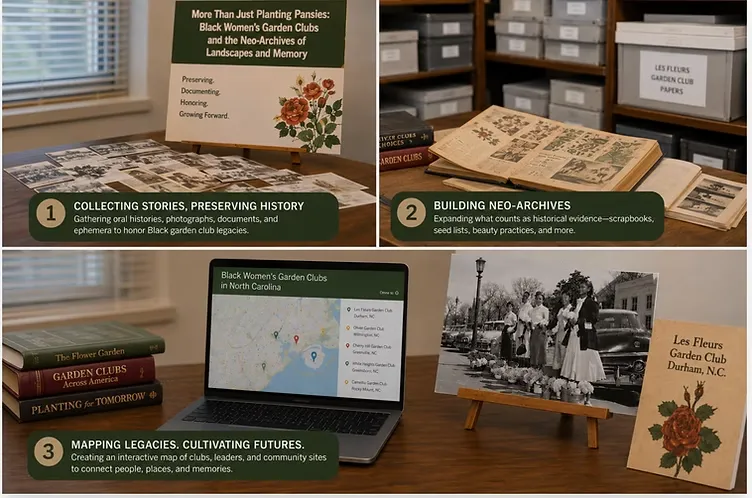
This collaborative, restorative research partnership centers the agency of Black women, honoring their garden clubs as sanctuary spaces for leadership, environmental stewardship, and communal healing.
By archiving oral testimonies and materiality through a trauma-informed lens, the project creates a digital exhibit and mapping interface. This initiative establishes a digital neo-archive that validates seed-saving and beauty practices as vital historical evidence, ensuring ethical care for ancestral knowledge and cultural memory.
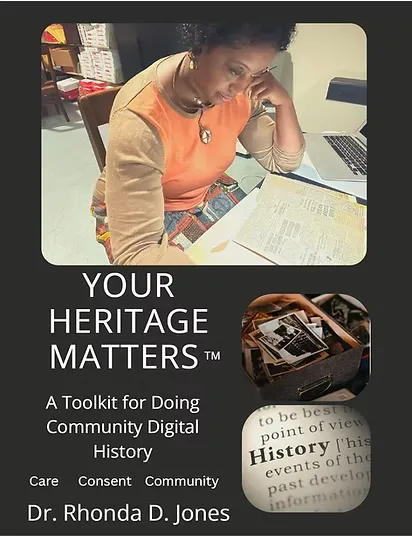
The Community Digital History Toolkit provides a scholarly, trauma-informed framework for preserving oral traditions and lived experiences within a secure digital archive. Secure this essential resource for your organization today or contact me to host a professional workshop tailored to your community’s unique heritage.